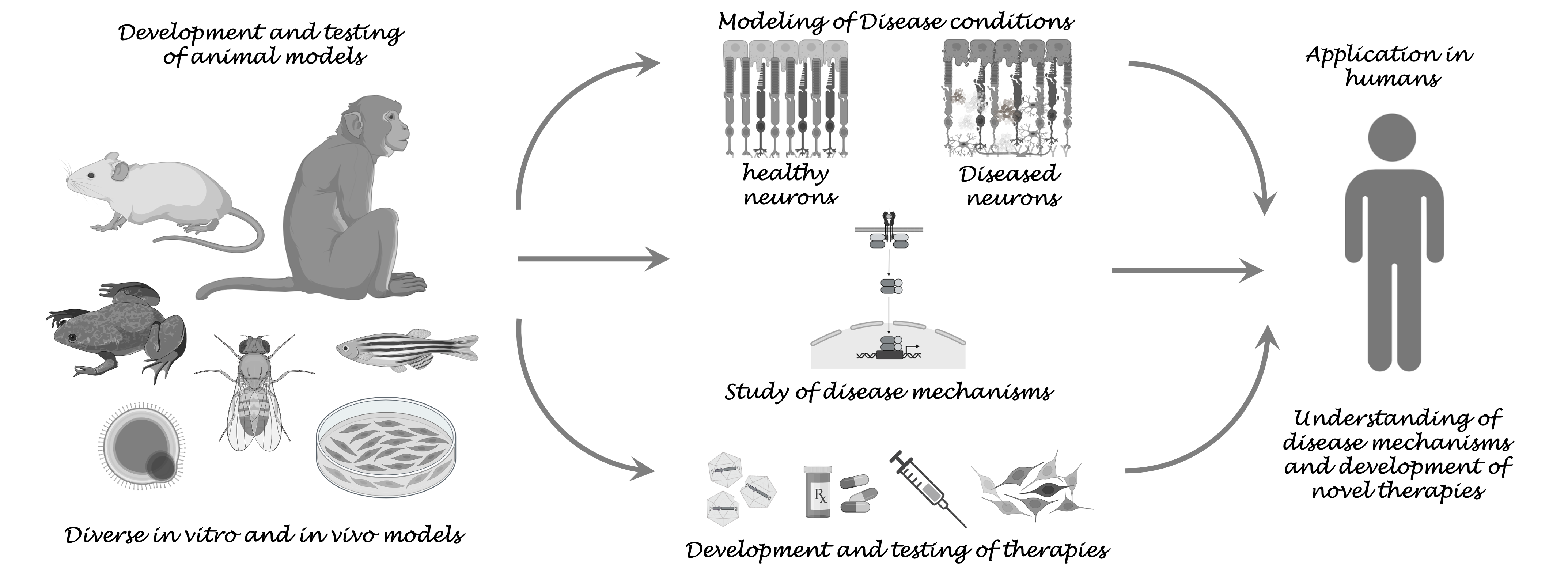
My research focuses on unraveling the molecular and cellular mechanisms involved in genetic diseases. By gaining a deeper understanding of these fundamental processes, I strive to contribute to the development and testing of innovative therapies.
Read more about my research projects below.
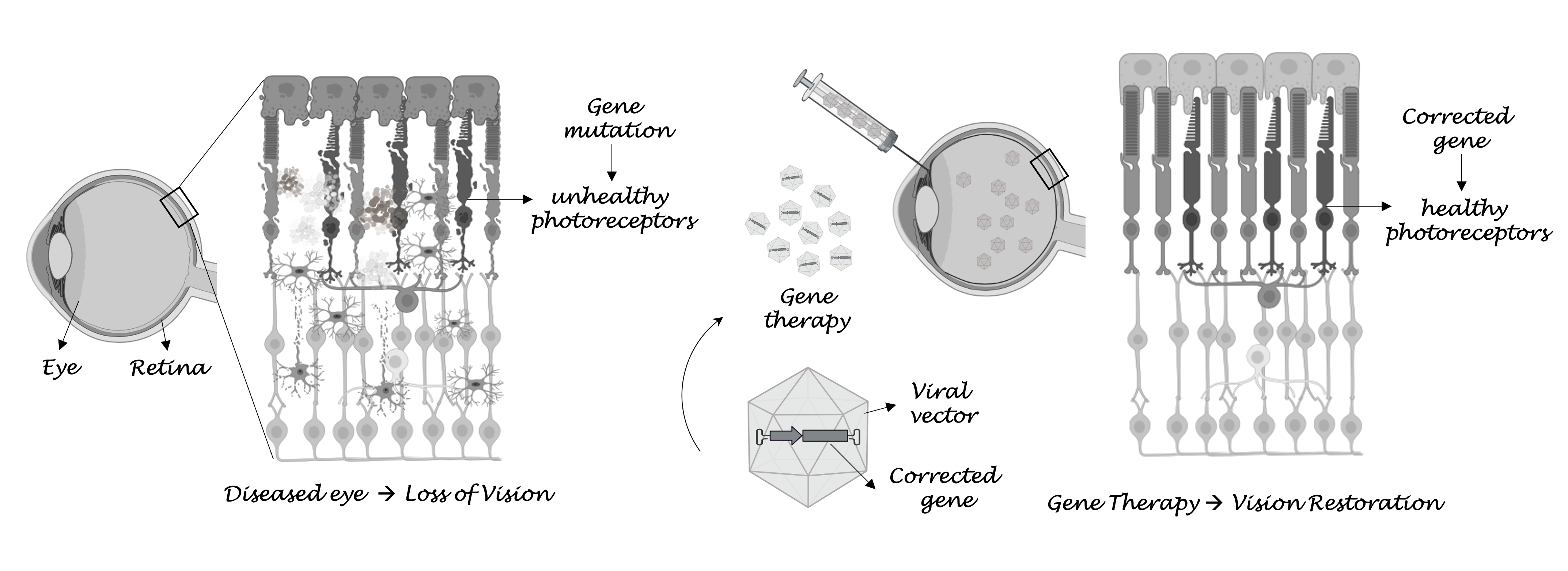
Gene therapy for neurodegenerative diseases
Mutations in genes that are involved in critical functions of neuronal cells result in cell dysfunction, cell death and diseases. Gene therapy is a promising treatment approach for such diseases aiming to treat such diseases by delivering therapeutic genes to the affected neurons using delivery vectors. Although some gene therapies have been approved and more are being developed, the immense potential of these therapies is marred by some important challenges such as lack of relevant translational models for testing these therapies before application in clinics and immune responses that can reduce the efficacy and safety of these treatments.
Read more about my projects related to some important challenges in development of gene therapies here
Understanding molecular mechanisms of neurodegeneration
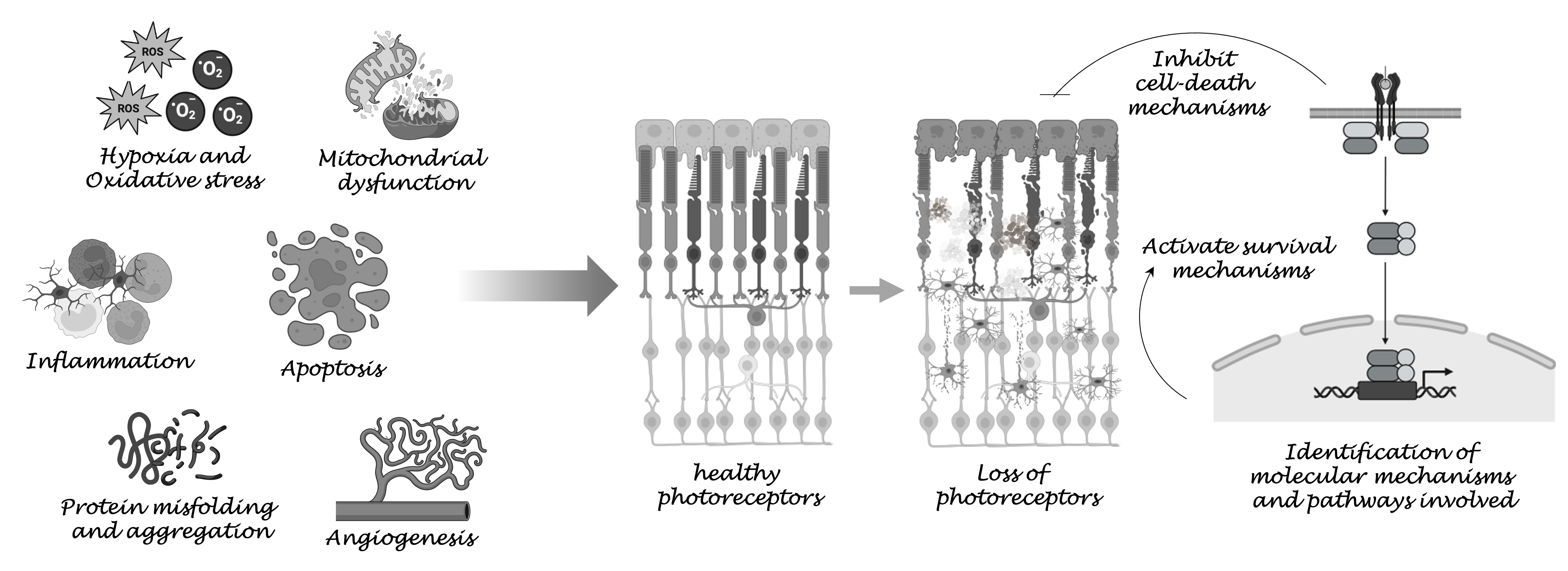
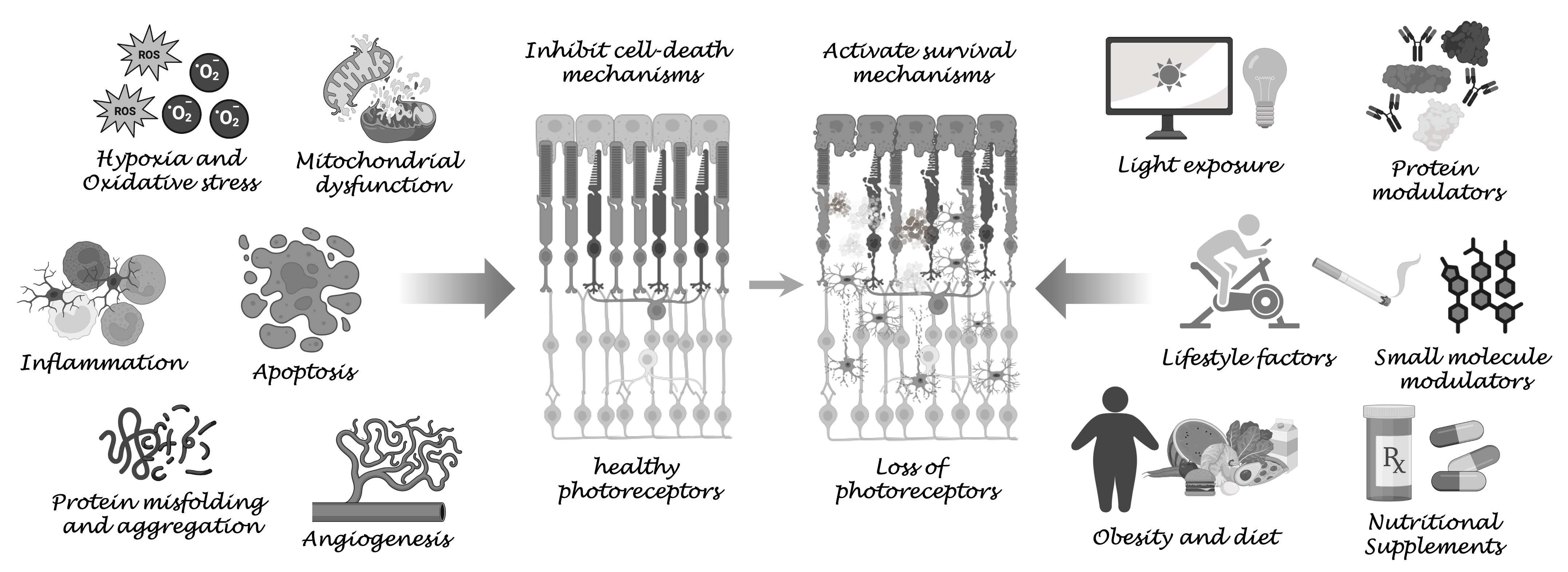
Neurodegenerative diseases arise from progressive dysfunction and loss of neurons. Retinal degeneration encompasses a group of disorders characterized by the progressive loss of retinal neurons called photoreceptors and other retinal cells, leading to vision impairment and blindness. Understanding the molecular and cellular mechanisms underlying these conditions is crucial for developing effective treatments. Some key mechanisms involved in retinal degenerations include – oxidative stress, hypoxia, inflammation, protein misfolding and aggregation, impaired autophagy and abnormal angiogenesis.
Read more about my projects for understanding molecular mechanisms of neurodegeneration here
Understanding molecular mechanisms of regeneration
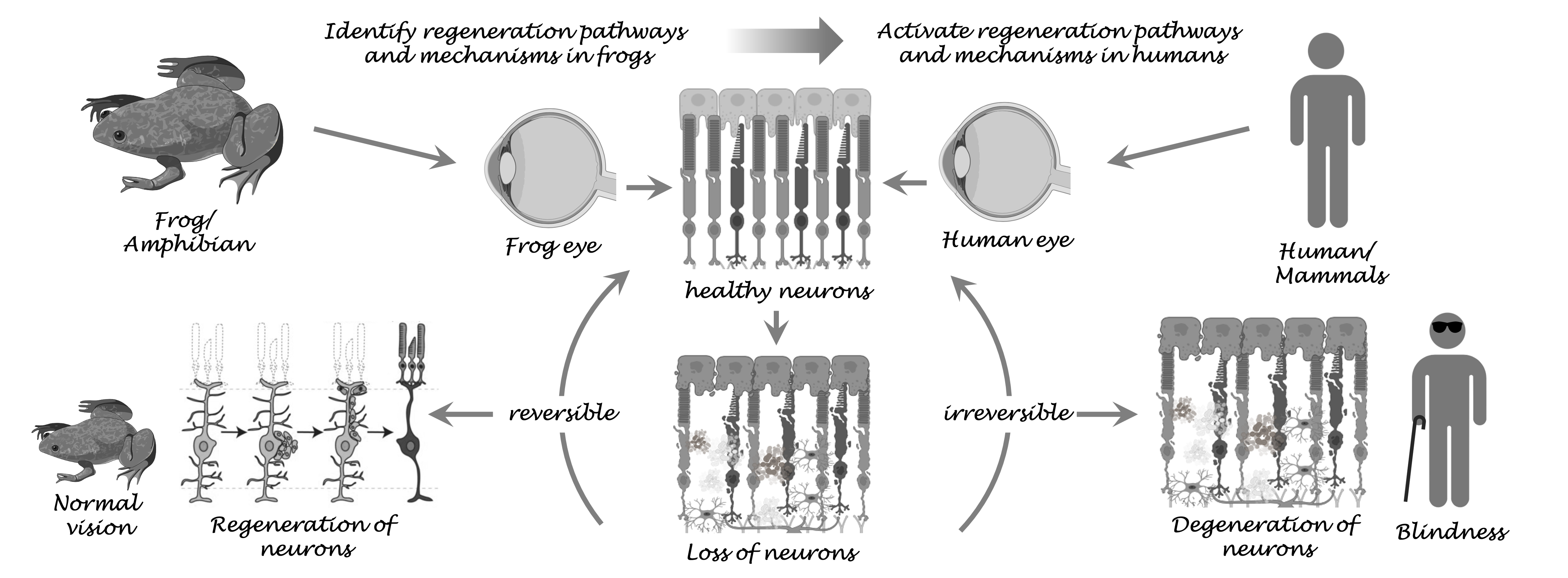
Regeneration is the biological process by which organisms repair, regrow, or replace damaged or lost tissues, organs, or even entire body parts. It occurs naturally in many species, ranging from simple organisms like hydra and planarians (which can regenerate whole bodies) to more complex animals like amphibians and fish (which can regenerate limbs, tails, or retinal cells). In humans and other mammals, regeneration is limited mostly to certain tissues, such as the liver (which can partially regenerate) and skin (which continuously repairs itself). However, other tissues, like the retina or the central nervous system, have very limited regenerative capacity.
Read more about my projects for understanding molecular mechanisms of regeneration here
Understanding molecular mechanisms of neuroprotection
Neuroprotection is an umbrella term that is used to describe strategies and mechanisms that protect the neurons from damage and degeneration. Since the retina is an extension of the central nervous system (CNS), neuroprotection in the context of the retina refers to strategies and treatments aimed at preserving retinal neurons, particularly the photoreceptors and the retinal ganglion cells (RGCs) from damage or degeneration caused by diseases, injury, or aging.
Read more about my projects for understanding molecular mechanisms of neuroprotection here
Developing Animal models to study disease mechanisms and test therapies
Animal models are essential tools in biomedical research for studying disease mechanisms. By mimicking human physiological and pathological conditions, these models allow us to investigate how diseases develop and progress at molecular, cellular, and systemic levels. They are particularly valuable for exploring complex interactions that cannot be fully replicated in cell cultures or computer simulations. Insights gained from animal studies help identify potential therapeutic targets and guide the development of new treatments, although ethical considerations and species differences remain important factors in their use. Over the years, I have developed and worked with different animal models from frogs to non-human primates.
Read more about my projects involving different animal models here