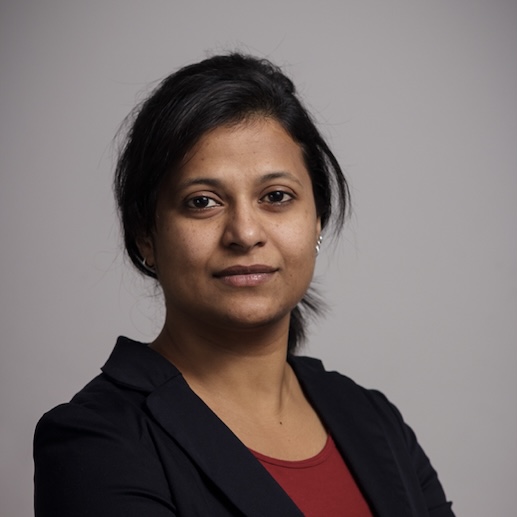
A significant proportion of people in the world remain at risk of preventable blindness due to limited access to timely diagnosis and treatment. For example, more than 500 million people worldwide live with diabetes, and diabetic retinopathy remains one of its most serious long-term complications. When diagnosis is delayed or access to care is limited, this condition can progress to irreversible blindness. To address this unmet need, I co-founded Neurotheia with two AI experts, with the goal of creating an AI-powered diagnostic tool for low-cost, scalable, and effective detection of retinal diseases and eye conditions. At Neurotheia, we are developing solutions that enable individuals to monitor their eye health from home. By combining retinal imaging with artificial intelligence, we transform eye images into clinically meaningful insights, making early detection more accessible, intuitive, and integrated into everyday life.
Furthermore, my entrepreneurial work in focused on inclusive innovation. Technological innovation in healthcare is often concentrated in high-income regions, leaving large global populations underserved. The aim of Neurotheia is to bridge the gap between innovation and access by adapting and developing technologies for marginalized communities.
Recognition and Impact
Our work at Neurotheia has been recognised for its potential to advance accessible healthcare innovation. The startup was selected as a winner of the Genopole Shaker incubator programme in France, in the HealthTech category of a competitive innovation challenge. This recognition supports our mission to translate cutting-edge research and technology into practical tools that expand access to eye care and reduce the global burden of preventable blindness.
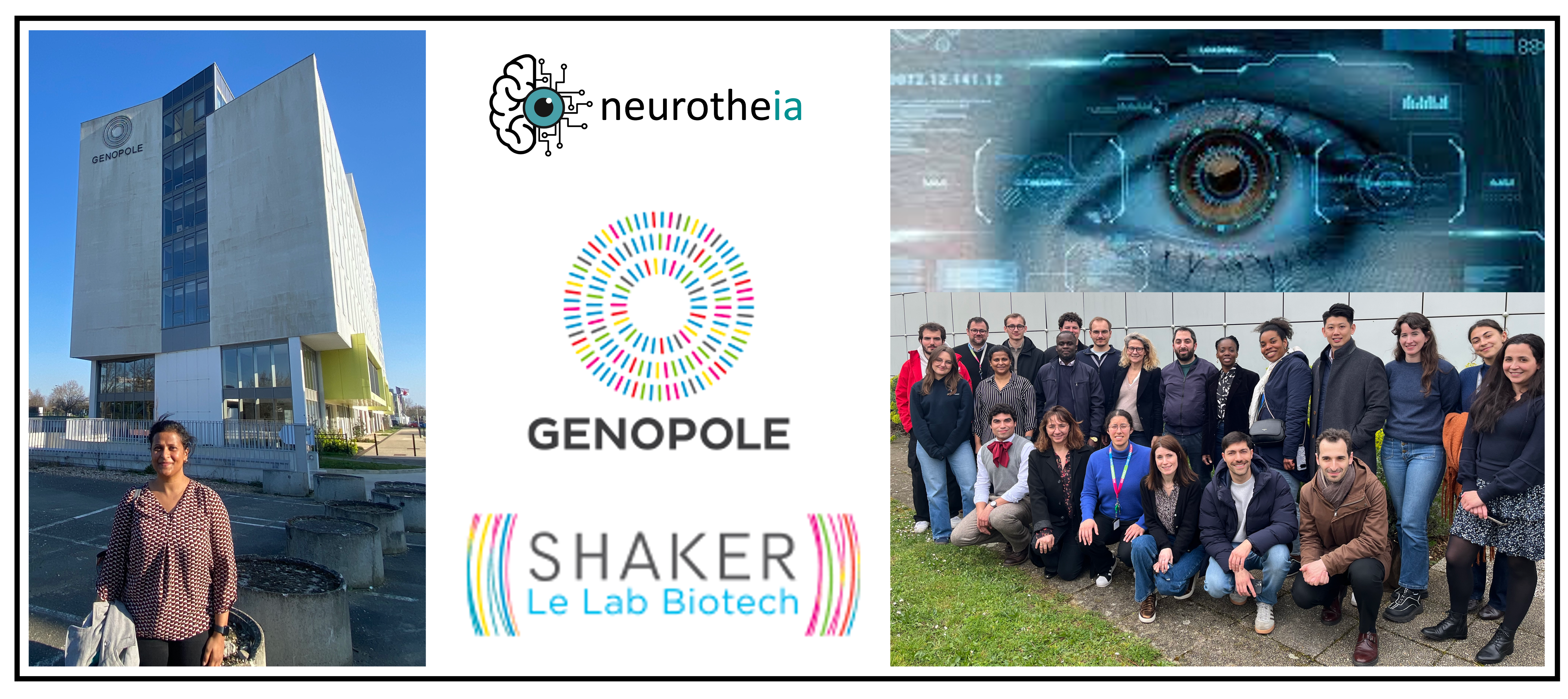
- 2026, April: Genopole Shaker program, France
- 2026, July: Winner of Business ideas competition by Enspire, University of Oxford, UK